




Thank you for contacting us.
We will respond as soon as possible.

POLITERM® WALL R
ULTRA-LIGHTWEIGHT THERMALLY INSULATING REGRANULATED AGGREGATE FOR DRY-BLOWN CAVITY INSULATION
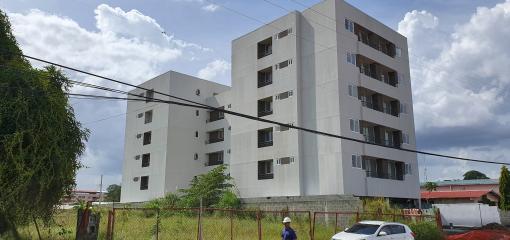
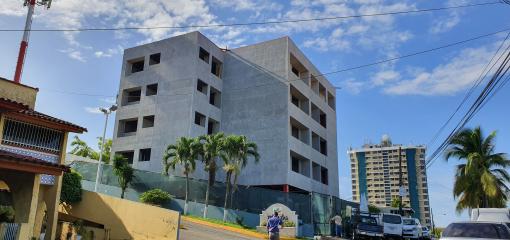
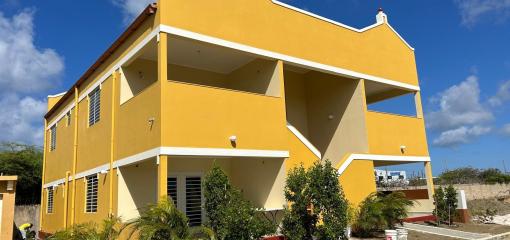
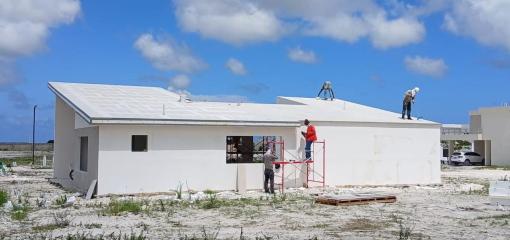
POLITERM® WALL R is used to insulate cavity walls of existing buildings without external insulation and without demolition: the EPS beads are blown dry into the cavity through small holes (Ø 1 5/8 to 2 in (4-5 cm)) and fill it completely. It is the energy retrofit solution when other options are not possible, and it can be done in a single apartment of a multi-family building.
The regranulated beads (15% regranulated content) are non-toxic, non-absorbent, rot-proof and dust-free, with a thermal conductivity of λD 0.3 BTU·in/(h·ft²·°F) (0.043 W/(m·K)) and an installed density of only 0.5-0.75 lb/ft³ (8-12 kg/m³).
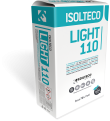
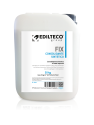
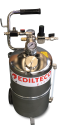
With the POLITERM® WALL BLOW gun the product is taken straight from the bag, with no transfers or dispersion, and 35 ft³ (1 m³) is filled in about 7-9 minutes. In the WALL FIX R version the beads are sprayed with a binder (about 0.12 lb/ft³ (2 kg/m³)) that bonds them: they do not escape when walls are later chased or drilled.
NOTE
- Regranulated content 15%.
- Installed density 0.5-0.75 lb/ft³ (8-12 kg/m³) (WALL FIX R 0.62-0.87 lb/ft³ (10-14 kg/m³)).
- Thermal conductivity λD 0.3 BTU·in/(h·ft²·°F) (0.043 W/(m·K)); specific heat 1,450 J/kgK.
- μ 1 (WALL FIX R 5); beads Ø 0.118 to 0.236 in (3-6 mm).
- Consumption: 2 bags of 17.7 ft³ (500 L) per 35 ft³ (1 m³) (WALL FIX R: + 0.12 lb/ft³ (2 kg/m³) of binder).
- Holes Ø 1 5/8 to 2 in (4-5 cm): 3 for walls up to 13 ft (4 m), then at least one every 6.6 ft (2 m).
- Equipment: POLITERM® WALL BLOW + compressor min. 44 psi (3 bar) (WALL FIX R: + WALL BLOW FIX, compressor min. 17.7 CFM (500 L/min)).
PACKAGING
- Thermal insulation and filling of cavities and confined spaces.
- Energy retrofit of existing buildings, including single units in multi-family buildings.
DOWNLOADS
SHARE
